EN
EN
 AR
AR
 BG
BG
 HR
HR
 CS
CS
 DA
DA
 NL
NL
 FI
FI
 FR
FR
 DE
DE
 EL
EL
 HI
HI
 IT
IT
 JA
JA
 KO
KO
 NO
NO
 PL
PL
 PT
PT
 RO
RO
 RU
RU
 ES
ES
 SV
SV
 TL
TL
 ID
ID
 SR
SR
 SK
SK
 UK
UK
 VI
VI
 ET
ET
 HU
HU
 TH
TH
 TR
TR
 MS
MS
 GA
GA
 IS
IS
 KA
KA
 BN
BN
 KK
KK
 UZ
UZ
 KY
KY

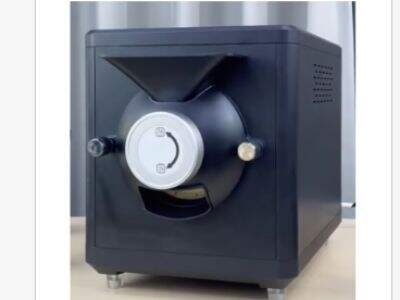
There are all sorts of crucial steps that any home roaster should know to make the best-tasting cup. With the tools and tips from SWF, you can learn how to watch that temperature closely and time each step just right. That way, you decide how the beans transform from green to roasted and everything in between meaning each cup is just a little bit perfect.
Key signposts for quality roasted coffee
You know when roasting coffee beans there are a few indicators that signal whether your roast is on track or not. One big clue is the color. Beans should become evenly golden to dark brown, depending on your preference. If the color is mottled or splotchy, though, this generally indicates that the heat was not maintained. Another sign is the smell. There's something so appealing about that rich, aromatic scent of freshly roasted coffee. If they smell scorched, smoky or sour, something went wrong maybe too hot, for too long. The sound of the beans cracking is also a factor. This is known as the “first crack” because it sounds like popcorn popping and reflects that the beans are losing moisture, beginning to grow in size, cracking open. This is the point when water departs from the beans, or dehydration.
What are the Best Time and Temp Combinations for Maximizing
Roasting is one of those challenges that proves to be both tricky and rewarding, in terms of getting the temperature and timing right. These coffee making machine commercial can result in beans that burn on the outside but remain wet inside, which makes it difficult to have an even flavor. Too fast, and the beans have a flat flavor. SWF roasting equipment: being able to turn down heat in tiny increments eliminates this step. Being within that range allows the natural sugars to develop, becoming sweet and/or fruity or nutty.
Dehydration and Crack Kinetics Solutions
The process of removing water from the beans is an essential step when roasting coffee at home. That’s just a fancy way of saying you need to get the water out of the green coffee beans in order to roast them. Beans leach moisture during dehydration, gradually drawing out their inner flavors. When this happens too quickly or too slowly, the beans won’t roast properly and their taste will suffer. To master dehydration, you’ll watch the temperature very closely. Desired temperature typically begins around 300°F (about 150°C) to start and you would want it stable during the first four to eight minutes. This gentle, even heat allows the beans to dry without burning.
Wholesale Coffee Roaster For Accurate Temperature Control
If you want to roast commercial coffee making machine like a pro at home, then you must first have the right equipment. Great roasting machines enable you to regulate the temperature and timing in every key stage: dehydration, first crack, second crack. But where are you to find these machines, especially when purchasing in larger quantities? The solution is to find wholesale coffee roasting equipment vendors that are geared towards accurate control of temperature.
Roaster Daddy Wholesale suppliers typically sale roasting machines in large quantities and for better prices than retail stores at competitive rates. This is ideal if you are looking to launch a commercial espresso coffee machine roasting business, or share machinery with fellow enthusiasts and friends who also enjoy the pleasures of roasting their own coffee. When it comes to selecting a wholesale supplier, you need someone that has machines with straightforward temperature controls and visible timers.
How Do You Monitor Second Crack for Quality Coffee Roasting
The second crack is key in roasting coffee if you want those rich and full flavours. This is the stage after dehydration and first crack. But when do you stop roasting during the second crack to get good coffee? Better home coffee requires keeping an eye on the second crack.