EN
EN
 AR
AR
 BG
BG
 HR
HR
 CS
CS
 DA
DA
 NL
NL
 FI
FI
 FR
FR
 DE
DE
 EL
EL
 HI
HI
 IT
IT
 JA
JA
 KO
KO
 NO
NO
 PL
PL
 PT
PT
 RO
RO
 RU
RU
 ES
ES
 SV
SV
 TL
TL
 ID
ID
 SR
SR
 SK
SK
 UK
UK
 VI
VI
 ET
ET
 HU
HU
 TH
TH
 TR
TR
 MS
MS
 GA
GA
 IS
IS
 KA
KA
 BN
BN
 KK
KK
 UZ
UZ
 KY
KY

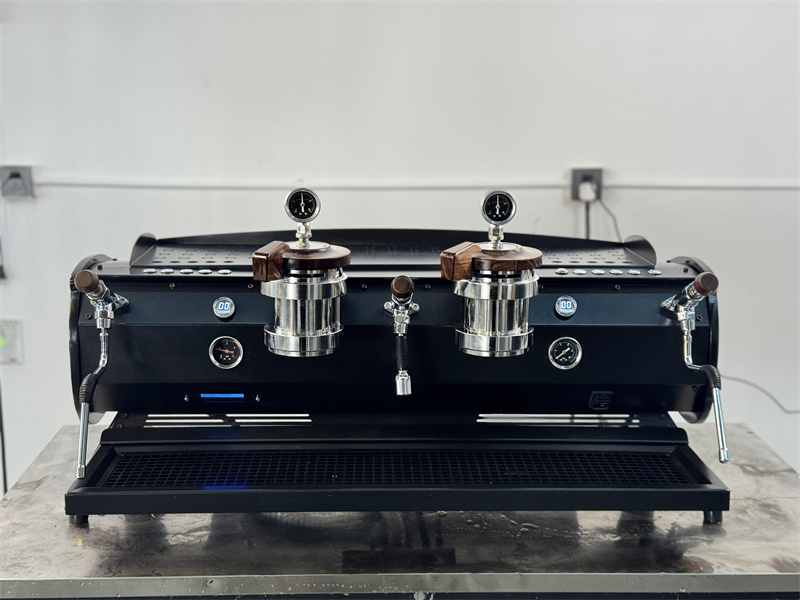
1. Ease of Use Matters More Than a Long Feature List
It's easy to get swept up by feature lists when shopping for a coffee machine. This one does hot and cold extraction, that one has adjustable grind settings, another one comes with a fancy touchscreen display. The list goes on.
But there's one question very few people ask themselves before buying: at 6:30 in the morning, half-asleep and barely functioning, can I actually operate this machine?
A feature-packed but complicated machine often follows a predictable path: two weeks of honeymoon-phase enthusiasm, then it starts feeling like a chore, then you use it less and less, and eventually it sits in the corner gathering dust. This isn't a willpower problem. It's simply that when you're tired, your brain instinctively takes the path of least resistance.
When choosing your first coffee machine, the question isn't "What features does this have?" It's "Am I willing to repeat this process every single day?" The simpler the operation, the higher your chances of sticking with it. And sticking with it is what actually leads to falling in love with making coffee.
2. Ease of Cleaning Determines How Long You'll Actually Use It
This is a seriously underrated factor.
If you don't clean a coffee machine promptly after use, coffee oils build up inside. Over time, this affects the flavor. In bad cases, every cup picks up an indefinable stale note. The problem? Knowing you should clean it and actually wanting to clean it every single time are two different things.
If the cleaning routine involves five steps, multiple detachable parts, and hard-to-reach corners, you'll start procrastinating. What begins as "I'll do it tomorrow" slowly becomes occasional cleaning, the output quality quietly degrades, and one day you find yourself thinking, "This machine isn't really that great anymore."
When evaluating a machine, specifically ask about the cleaning process. How many steps? Are there removable, washable parts? How many minutes does a routine clean take? A machine you can clean in under three minutes will give you a vastly better long-term experience.
3. If the Beans Are Wrong, the Machine Doesn't Stand a Chance
Plenty of people buy a coffee machine, then use supermarket pre-ground coffee for their first brew. They take a sip and think, "That's it? Tastes about the same as what I get outside." Then they start wondering if the machine isn't good enough.
Chances are, it's not the machine. It's the beans. Once coffee beans are ground, the aromatics oxidize incredibly fast. That pre-ground bag on the supermarket shelf? It could have been ground months before you bought it, with most of its aroma long since faded.
The first time you grind fresh beans yourself, the kitchen fills with fragrance before the brewing even starts. And that first cup? It's a completely different experience. When you buy your coffee machine, find a reputable specialty roaster and get fresh whole beans. Grind them right before brewing. The time and money you spend on this step will improve your coffee more than upgrading to a more expensive machine ever will.
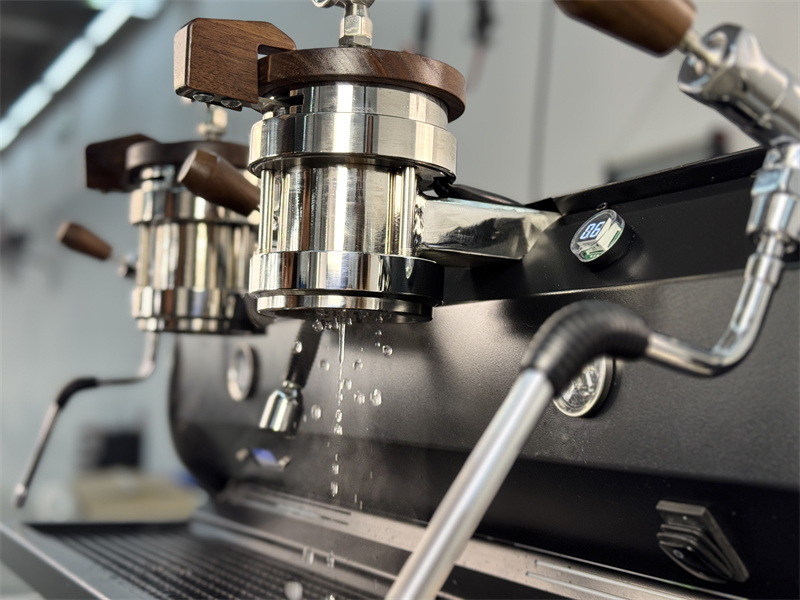
4. 20 Bar Doesn't Mean Better Taste — Learn to Read the Specs
You see numbers like "19 Bar" and "20 Bar" all over coffee machine listings. A lot of people assume bigger numbers mean better results. That assumption isn't quite right.
Espresso extraction does require sufficient pressure. But what really matters isn't the peak pressure number — it's whether that pressure stays stable throughout the entire extraction. A machine that can hit 20 Bar but has wild pressure curve fluctuations will produce inconsistent shots. The flavors feel disconnected, the front and back of the taste don't come together, and every sip leaves you feeling like something's just a little off.
When you're looking at specs, go beyond the number. Understand the pump design and pressure stability. Independent pumps and dual-pump systems are the structural foundation for stable pressure. That matters far more than chasing a higher peak number.
5. Measure Your Counter Before You Pick the Machine Size
This sounds obvious. But a surprising number of people who regret their coffee machine purchase skipped this step entirely.
A coffee machine on your counter needs more than just its own footprint. You need enough overhead clearance for cups, enough side space to work comfortably, and a functional flow for refilling the water tank and emptying the grounds container. Measure your counter space at home. Confirm the machine dimensions won't make your setup feel cramped. This is the basic prerequisite for a purchase you won't regret.
If your counter is genuinely small, there are compact machines designed specifically for tight spaces. They don't compromise on output quality — they just take up less room. Don't let limited space convince you to settle for something mediocre. Choose well, and a small machine can absolutely make great coffee.
In Summary
The easiest mistakes to make when buying a coffee machine aren't about picking the wrong specs. They look more like this:
Bought a complicated machine → gave up after a few weeks
Bought a machine that's hard to clean → slowly lost motivation to use it
Used the wrong beans → concluded the machine wasn't good
Got dazzled by spec numbers → ended up with a mediocre experience
Didn't measure the counter → machine doesn't fit or feels awkward to use
Get clear on these five things first. After that, you're ready to pick a specific model. If you have questions, drop a comment — I read and reply to all of them.